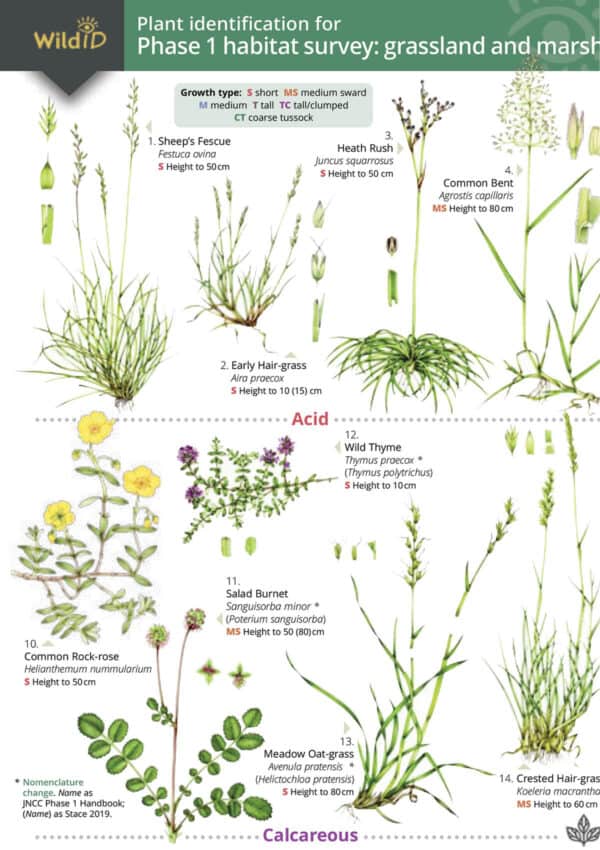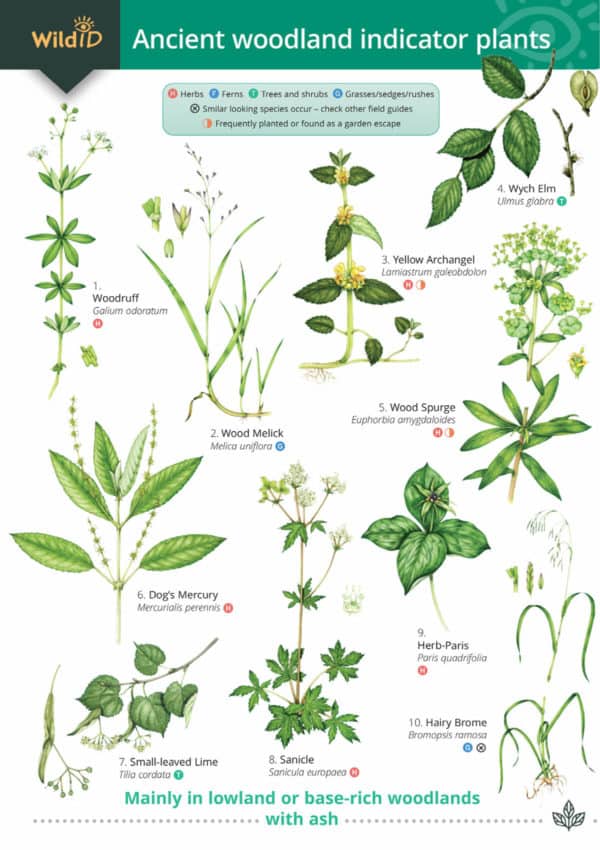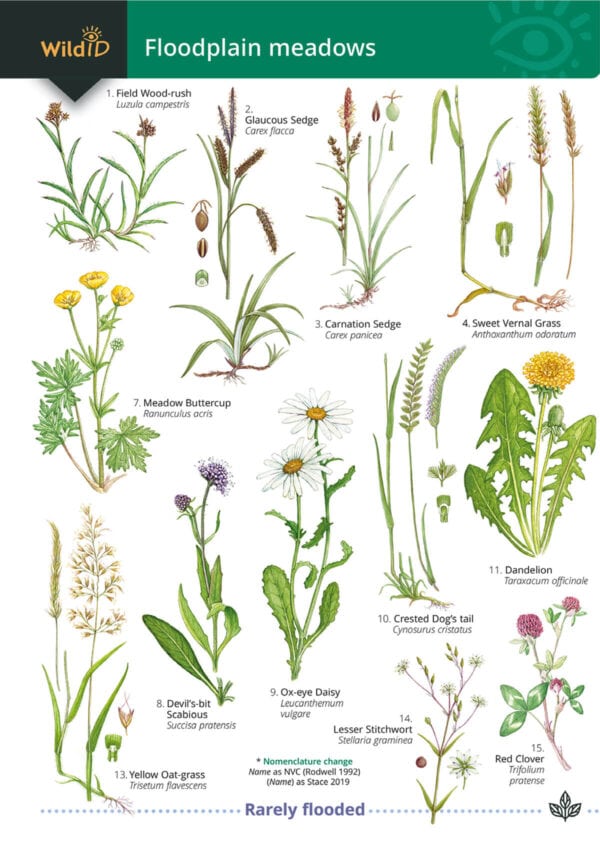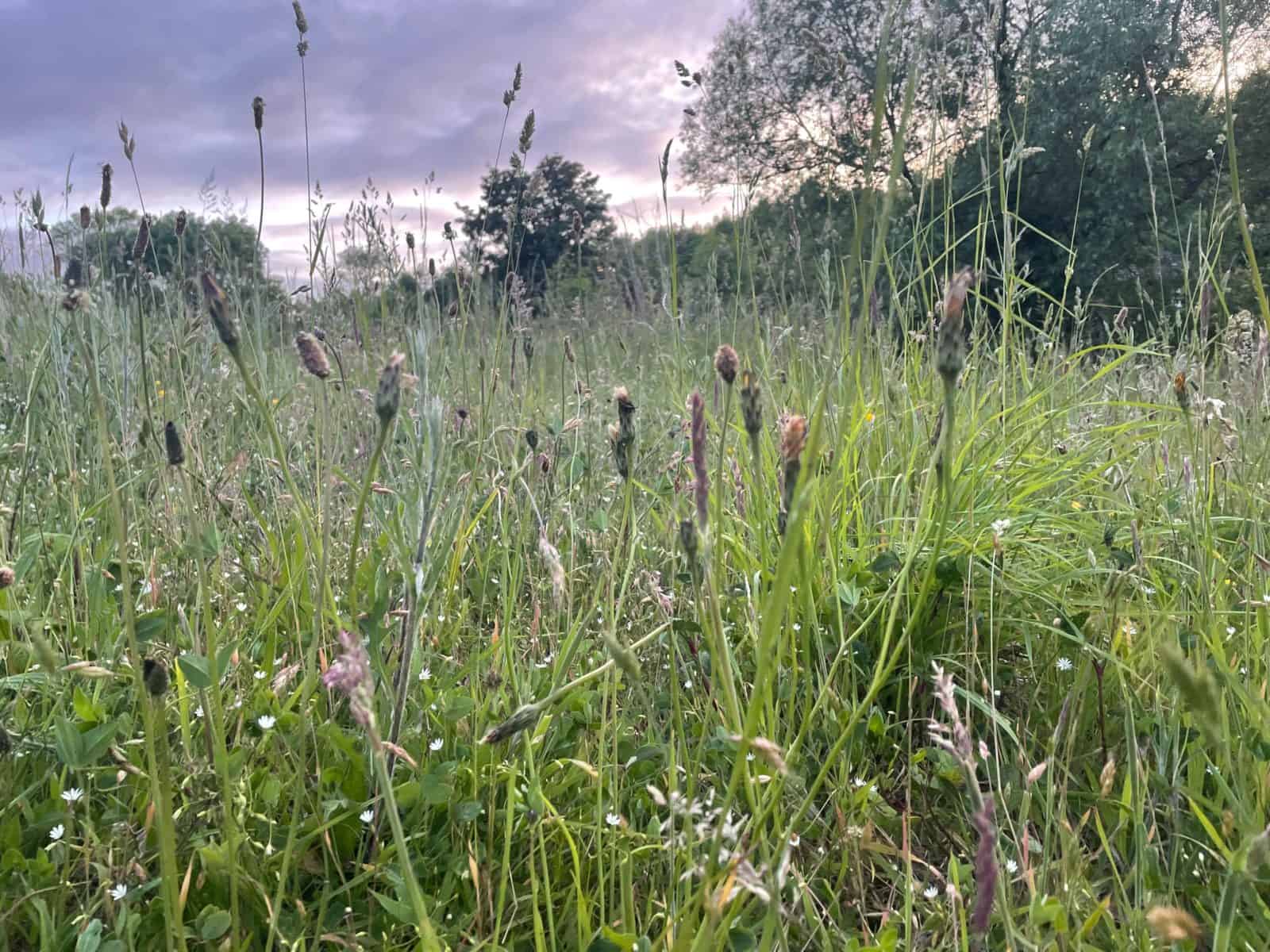
From this self-led course, you will gain an understanding of a range of grassland habitats found in the UK. This course acts as an introduction to different grassland types, allowing you to obtain knowledge of their ecological and conservation value.
Grasslands are among the world’s most widespread and ecologically important habitats, shaped by a combination of climate, soils, and management. Dominated by grasses but often rich in wildflowers, insects, birds, and grazing animals, they range from windswept upland meadows to lowland pastures. Understanding grasslands means exploring not only their plant communities, but also the ecological processes, cultural histories, and management practices that allow them to thrive.
What will be covered during this course?
This is a two-hour self-led online course covering three topics. Each topic will contain a number of self-led resources to work through at your own pace. The topics covered include:
- Introduction to grasslands and grassland types
- UK grassland habitats
- Grassland ecology, conservation and protection
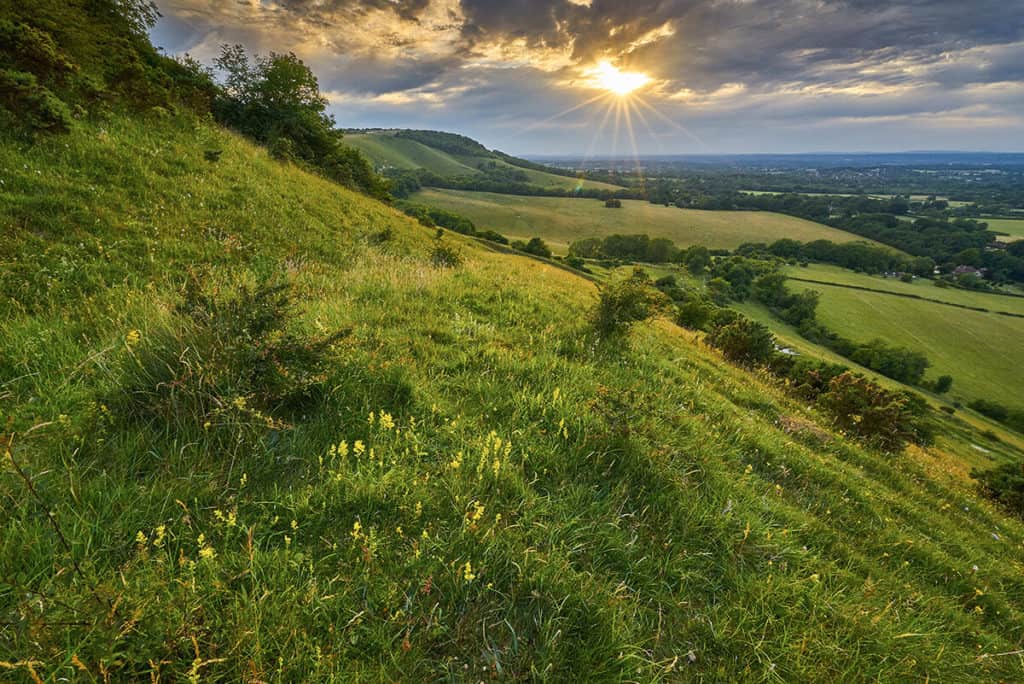
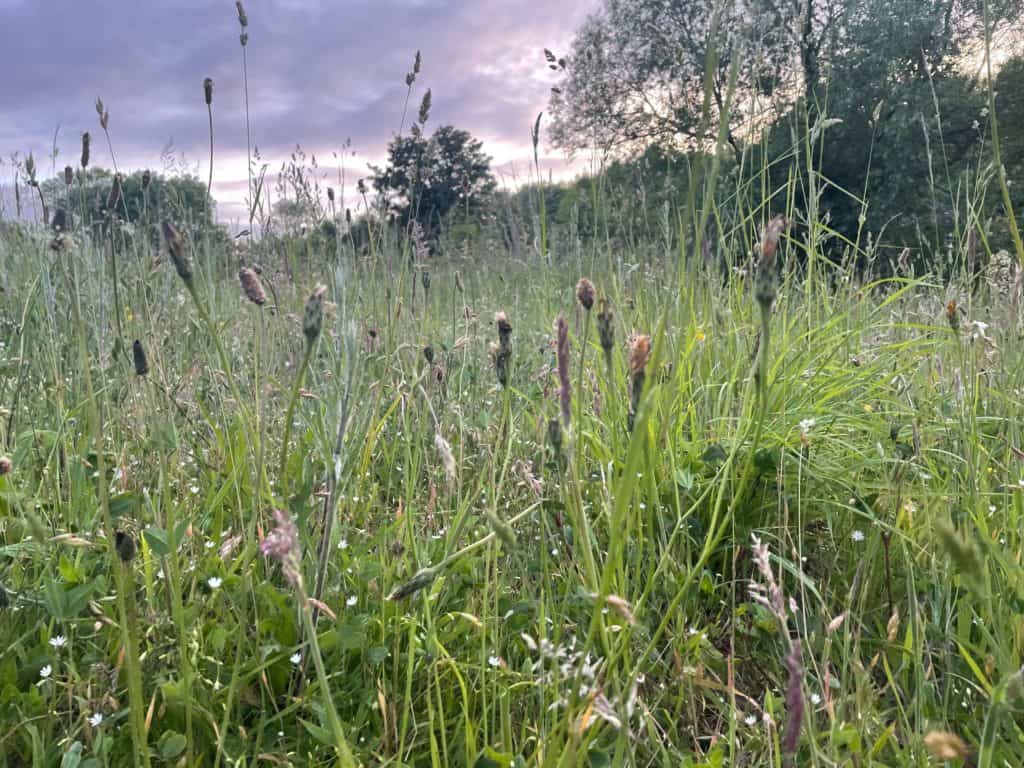
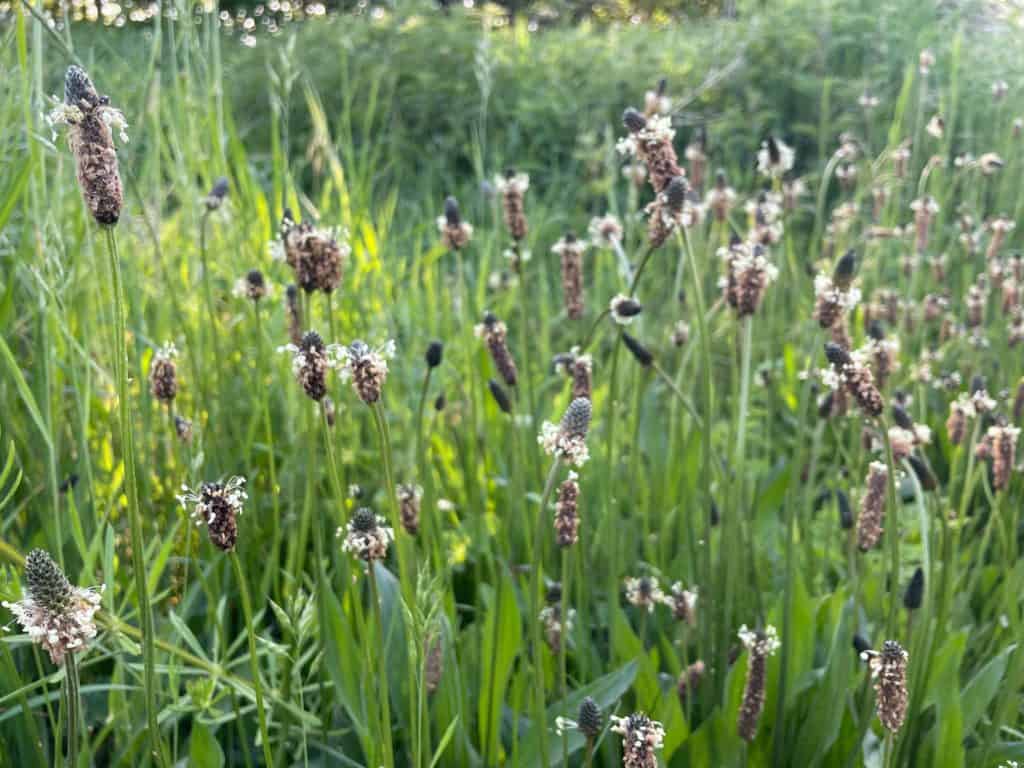
Read More
By the end of the course, you will be able to:
- Explain what defines a grassland habitat and recognise its key structural features and characteristics.
- Discuss examples of 12 categories of key grassland habitat found in the UK and describe typical species and distinguishing features associated with each.
- Describe the ecological importance of grasslands and outline the main threats they face.
- Give examples of approaches used to conserve and protect grassland habitats within a UK context.
Who Should Attend? – Anyone who would like to increase their knowledge of biodiversity and UK habitats. e.g., employees in nature/ground based roles, land developers, educators, nature enthusiasts, students and volunteers.
Knowledge Level – Beginner. Level descriptors can be found on the following webpage: Framework and Course Level Descriptors
Prior Knowledge – No existing knowledge or experience is needed for this course, just a willingness to contribute and learn.
Understand how our online courses are delivered
There are no live webinars associated with this course.
Example Timetable
All self-study material is made available from the point of booking and is available for 90 days.
Time commitment: This course will require approximately 2 hours of your time.
What's Included
The course includes:
The course has been carefully created to help you continue to build and develop your knowledge as the course progresses, with content crafted for the online Moodle Platform and bespoke to the Field Studies Council.
- Approximately 2 hours of self-led learning material.
- A course completion certificate.
- 90 days access to learning material.
Once enrolled, participants will gain access to self-study ’workbooks’ to begin their learning journey. Quizzes and skill checks will give you instant feedback on learning.
This course fee includes VAT.
Recommended Devices
It is recommended that you access your course through a PC or laptop. Please be aware that there will be reduced functionality if you decide to access the course through a tablet or smartphone. The Field Studies Council is unable to email content directly to you.
Click here for the Moodle log-in page.
Bursaries and Subsidies
Student Discount
This course is eligible for a student discount. If you are a current student, please use discount code BioStudent20 at checkout for 20% off all Biodiversity courses.
Natural History Bursaries
There are a number of natural history bursaries available to help with the cost of your course. To find out if you and your chosen course are eligible, read more here.
Before You Attend
Accessing Your Course
- Once you sign up you’ll receive an email within 24 hours with details of how to access our learning platform, Moodle.
- As a self-led course, access to the topic content begins at the point of booking
- Moodle can be accessed through a browser or an app.
Recommended Devices
It is recommended that you access your course through a PC or laptop. Please be aware that there will be reduced functionality if you decide to access the course through a tablet or smartphone. The Field Studies Council is unable to email content directly to you.
Opportunities to attend this course
-
Thu 01, January 2026
You will get 90 days of access from the date of booking.
Sign up for the Biodiversity Newsletter to be the first to hear about new course dates and to get early bird discounts!
Progress Your Learning
This is a training course from the Field Studies Council, delivered in a self-led e-learning style. After attending this course, you may like to progress your learning with further relevant courses or branch out into other areas of natural history. The Field Studies Council offers both online and in-person courses, so you can choose the learning style that suits you best.
The course gives you the opportunity to immerse yourself in a new subject and acquire novel skills. Our online portal gives you time to study at your own pace and fit the lessons around your own schedule.
If you have any questions about our online courses please check our Frequently Asked Questions or email [email protected].
Group Bookings Made Easy
If you have a group of 10 or more individuals wanting to complete one of our courses, our team are available to discuss your options – from discounts to private team courses. Find out more!
You can rest assured that the absolute best content from an expert in environmental education will be at your fingertips. In choosing a Field Studies Council course, you will be joining thousands of people who learn with us each year.