
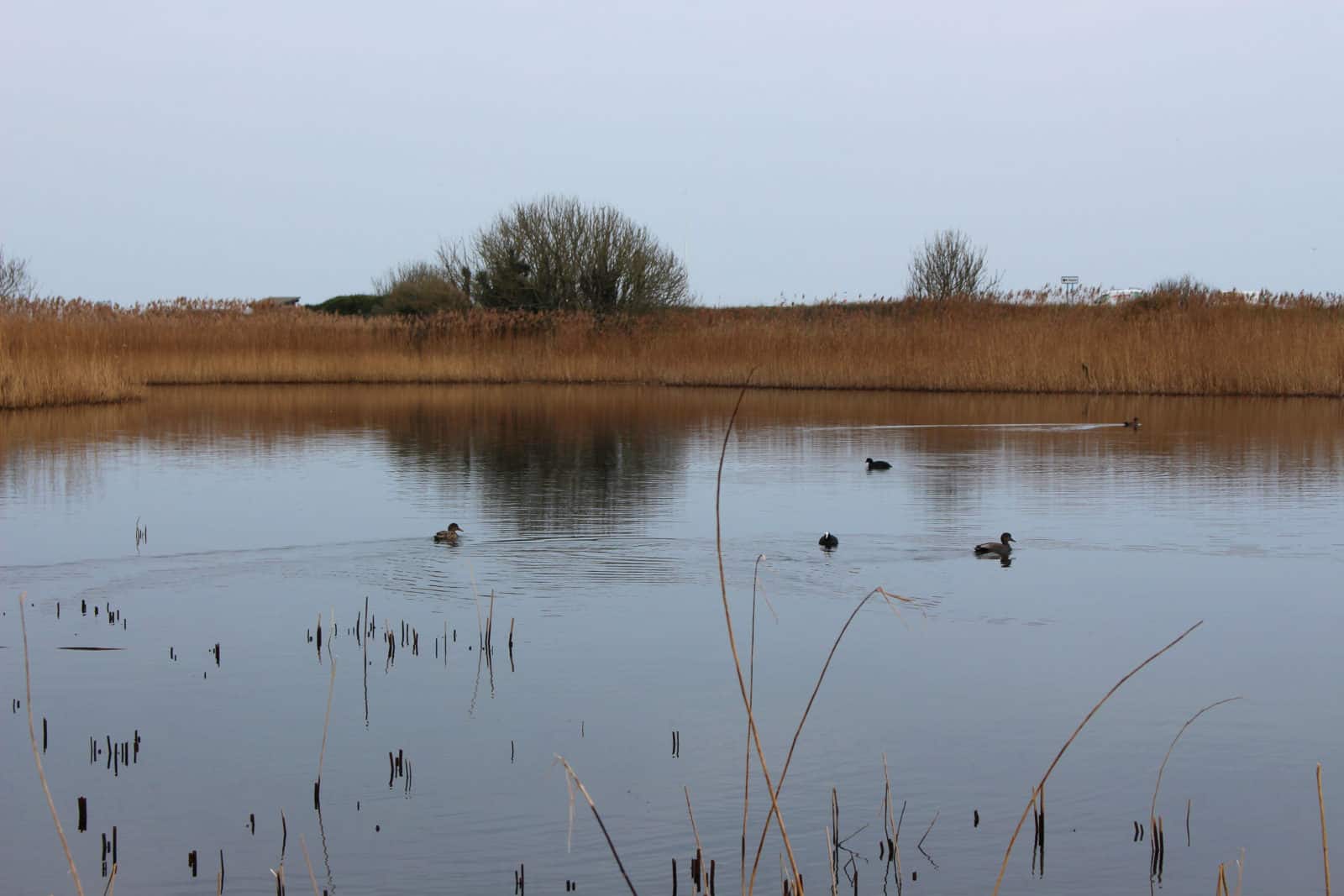
Environmental science fieldwork at Slapton Ley Field Centre enables students to explore environmental systems within a protected landscape. The local area supports enquiry into ecosystem function, pollution, resource management and environmental change.
With immediate access to freshwater, woodland and coastal environments within the National Nature Reserve, students can investigate carbon and water cycles, water quality, succession and conservation management. Human influences and sustainability are explored through real environmental contexts
Biodiversity and Conservation
Environmental science fieldwork focuses on conservation within the Slapton Ley National Nature Reserve. Students examine habitat management, biodiversity monitoring and the balance between conservation and human activity..pdf)
Carbon Cycle and Sequestration
Woodland and soil environments around Slapton are used to investigate carbon storage and sequestration. Students collect primary data to assess the role of vegetation and soils within the carbon cycle.
Succession and Habitat Management
Succession is examined within shingle, woodland and freshwater systems. Students explore how intervention and monitoring influence biodiversity and ecosystem stability.
Freshwater Quality and Pollution
Freshwater streams and the Ley are used to assess water quality using indicator species and abiotic measurements. Fieldwork links pollution levels to land use and management within the catchment.
Soils and Edaphic Characteristics
Soil studies are carried out in woodland and agricultural areas near the centre. Students investigate soil moisture, organic content and degradation in relation to sustainability and land management.
Slapton is particularly effective for environmental science because students can investigate environmental issues at a local scale while applying them to wider global systems. Fieldwork supports the development of monitoring, evaluation and data‑analysis skills across multiple environments. From GCSE environmental studies to A‑level environmental science, Slapton provides a strong foundation for enquiry‑based learning and decision‑making.